Vector Background with 3D Shapes
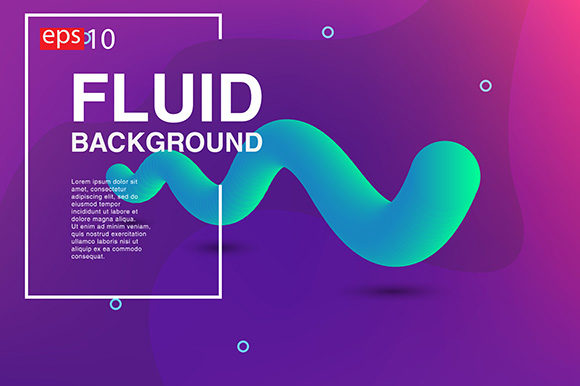
In the crowded digital landscape, a flat, static image often fails to capture attention. Users scroll past generic designs in milliseconds, looking for something that feels tactile and modern. This is where a Vector Background with 3D Shapes transforms from a simple graphic element into a powerful communication tool. By combining the precision of vector art with the depth of three-dimensional forms, these backgrounds create an immediate sense of space and movement without the heavy processing power required by video or complex WebGL rendering.
The appeal lies in their versatility. Unlike pixelated raster images that lose quality when scaled, these assets remain crisp on any screen size, from a tiny mobile phone display to a massive digital billboard. The inclusion of gradient bright colors adds another layer of sophistication, allowing designers to evoke specific emotions instantly. A soft pastel gradient suggests calmness and innovation, while a high-contrast neon mix signals energy and boldness. This combination makes the design not just visually striking, but strategically effective for your brand's message.
Why Minimalistic 3D Shapes Matter
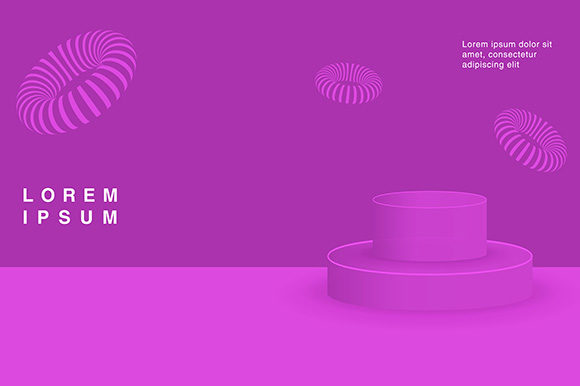
Minimalism has long been a staple in web design, but it often risks feeling cold or sterile. Introducing minimalistic 3D shapes bridges this gap perfectly. These elements provide visual interest through geometry and lighting rather than clutter. When you look at a scene composed of floating spheres, cubes, or abstract planes, your eye naturally follows the shadows and highlights, creating a subconscious narrative about structure and stability.
This approach is particularly useful for tech startups, SaaS platforms, and creative agencies. These industries need to communicate complexity without overwhelming the user. A clean background featuring subtle 3D forms allows your core content—whether it is a product feature list, a call-to-action button, or educational text—to take center stage. The background supports the message without competing with it, ensuring that your information remains clear and accessible.
Creative Possibilities Across Industries
The adaptability of these backgrounds extends far beyond standard corporate websites. Consider how different professionals can leverage this asset type:
- Marketers and Advertisers: Use the dynamic nature of 3D shapes to break up monotony in ad banners. A landing page header featuring rotating geometric gradients can increase time-on-page metrics by providing a focal point that encourages exploration.
- Educators and Bloggers: Explain complex concepts using visual metaphors. A presentation slide or blog post header with interconnected 3D nodes can represent networking, data flow, or community building more effectively than bullet points alone.
- Freelancers and Designers: Offer premium customization services. Since the source files are vectors, you can easily alter the color palette to match a client's brand guidelines or rearrange the composition to fit specific aspect ratios.
- Small Business Owners: Create a professional online presence without hiring a full-time design team. A consistent visual theme across social media headers, email signatures, and website footers builds trust and recognition.
Practical Applications for Your Projects
One of the most significant advantages of working with a Vector Background with 3D Shapes is the ease of integration into various workflows. Whether you are building a responsive website, designing a print banner, or creating a slideshow for a pitch deck, the flexibility of the format ensures consistency.
For web development, the vector nature means the file sizes are typically lightweight. This contributes to faster load times, which is a critical factor for SEO rankings and user retention. You can use the EPS file within design software like Adobe Illustrator or Inkscape to extract specific shapes for interactive animations. If you need a quick solution, the included JPG file provides a ready-to-use high-resolution image that requires no editing.
When designing for mobile devices, the minimalistic approach shines. Complex textures can make small screens look muddy, but clean 3D gradients maintain clarity. You can position the shapes off-center to allow text to overlay cleanly, ensuring readability even against colorful backgrounds. This balance between aesthetics and functionality is essential for modern user experience (UX) design.
Customization Strategies for Unique Results
To truly stand out, you must move beyond the default settings. While the provided files are excellent starting points, the real value comes from tweaking them to fit your specific context. Here are practical ways to customize your design:
- Adjust Color Gradients: If your brand uses blue and white, replace the default orange and purple gradients. This simple swap aligns the background with your brand identity instantly.
- Modify Opacity: Lowering the opacity of the 3D shapes creates a softer, more ethereal backdrop. This technique works well for hero sections where you want the headline to pop without distraction.
- Layer Multiple Elements: Combine the 3D shapes with other vector patterns or photography. For instance, placing a semi-transparent photo over a gradient shape background can create a sophisticated double-exposure effect.
- Animate the Motion: Although the download includes static files, the vector paths allow you to animate the rotation or scaling of shapes in tools like After Effects or CSS, adding a layer of interactivity that engages users.
Maintaining Visual Consistency and Clarity
While creativity is encouraged, it should never come at the expense of usability. When implementing a gradient bright colors background, ensure that the contrast ratio between your text and the background meets accessibility standards. Bright gradients can sometimes wash out light-colored text, so always test your designs with dark text overlays or add subtle drop shadows to improve legibility.
Consistency is key to building a strong brand. Avoid mixing multiple styles of 3D shapes from different sources. Stick to one cohesive set of geometries and a unified color palette throughout your project. If you are running a series of campaigns or a multi-page website, reuse the same base background with minor variations in color or angle. This repetition helps users subconsciously recognize your brand across different touchpoints.
Furthermore, keep the design organized. If you are using the EPS file, organize your layers logically. Name your groups clearly so that future edits are straightforward. This organizational habit saves time and prevents errors, especially when handing off files to other team members or clients.
Final Thoughts on Creative Execution
The goal of using a Vector Background with 3D Shapes is not just to make things look "cool," but to enhance the overall communication strategy of your project. It serves as a foundation upon which your ideas can be built, offering a modern aesthetic that resonates with today's digital-savvy audience. By understanding the nuances of color, depth, and layout, you can transform a simple graphic asset into a compelling visual story.
Whether you are launching a new product, sharing educational content, or simply refreshing your portfolio, these tools offer a reliable path to professional results. With one EPS file for infinite scalability and one JPG file for immediate deployment, you have everything you need to start creating. Embrace the possibilities, experiment with the gradients, and let the geometry guide your design toward success.