Transform Your Digital Designs with Abstract Gradients Fluid 3D Sound Wave
In the fast-paced world of digital design, finding visual assets that balance aesthetic appeal with technical versatility is a constant challenge. Designers often search for elements that can instantly elevate a project without requiring hours of manual tweaking. This is where Abstract Gradients Fluid 3D Sound Wave becomes an essential tool in your creative arsenal. It represents more than just a pretty image; it is a dynamic solution designed to bring movement, depth, and modern sophistication to any visual medium.
The concept of fluid gradients combined with the organic motion of sound waves has become a defining trend in contemporary web and graphic design. By merging these two powerful visual languages, this asset offers a unique texture that feels both futuristic and grounded. Whether you are crafting a high-conversion landing page or setting the mood for a music-related banner, the ability to incorporate Abstract Gradients Fluid 3D Sound Wave patterns provides an immediate upgrade in perceived value and user engagement.
Understanding the Visual Power of Fluid 3D Sound Waves
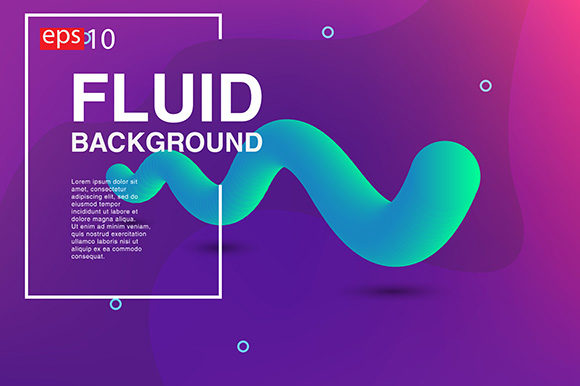
To truly appreciate the utility of this design element, one must first understand what makes it effective. Traditional flat colors or static backgrounds often fail to capture attention in an era where users scroll through content at breakneck speeds. The human eye is naturally drawn to curves, flow, and depth. The Abstract Gradients Fluid 3D Sound Wave leverages these psychological triggers by simulating the way sound travels—ripples moving through a medium—but rendered in a stunning gradient palette.
The "fluid" aspect refers to the seamless blending of colors. Unlike harsh lines or rigid geometric shapes, these gradients flow into one another, creating a sense of continuity and calm. When paired with the "3D sound wave" structure, the design gains volume. It looks like it is breathing or pulsating, even when displayed as a static image. This illusion of life is crucial for keeping visitors engaged on a website or making a presentation slide memorable.
This specific style is particularly popular in industries that deal with technology, audio, wellness, and creative services. A tech startup might use it to suggest innovation and data flow, while a meditation app could utilize the calming nature of the fluid waves to promote relaxation. The versatility lies in its abstract nature; because it does not depict a specific object, it can be adapted to fit almost any brand identity without clashing with existing imagery.
Seamless Integration Across Modern Workflows
One of the most practical benefits of using Abstract Gradients Fluid 3D Sound Wave assets is how easily they integrate into existing design workflows. In professional environments, time is money. Designers cannot afford to spend days hand-coding complex SVG animations or waiting for render times to finish. This asset solves that problem by providing pre-made, high-quality files that are ready for immediate deployment.
The inclusion of both EPS and JPG formats ensures compatibility across a wide range of software and platforms. The EPS file is a vector-based format, which means it is infinitely scalable. You can take a background designed for a mobile screen and expand it to cover a massive billboard without losing a single pixel of quality. This scalability is vital for responsive design, ensuring that your Abstract Gradients Fluid 3D Sound Wave looks crisp on a Retina display just as well as it does on a standard monitor.
Conversely, the JPG file offers a rasterized version that is perfect for quick uploads to social media, email headers, or websites where file size optimization is critical. Having both options in a single download package eliminates the need to convert files manually, streamlining the process from concept to launch. This dual-format approach caters to both print designers who need vector precision and web developers who require optimized image files.
Practical Applications for Diverse Projects
The applications for this type of visual asset are vast and varied. Let's explore some specific scenarios where Abstract Gradients Fluid 3D Sound Wave can make a significant impact:
- Landing Pages: Use the gradient as a hero background behind your primary call-to-action. The fluid nature guides the user's eye downward toward the button, increasing conversion rates naturally.
- Banners and Ads: In digital advertising, standing out is key. The 3D effect creates depth that separates your ad from the flat, cluttered feeds of social media platforms.
- Slide Shows and Presentations: Static slides can be boring. Using this asset as a section divider or a full-slide background adds a layer of professionalism and visual interest that keeps the audience focused.
- Website Headers: A header that incorporates Abstract Gradients Fluid 3D Sound Wave sets the tone for the entire site immediately upon loading. It suggests that the brand is modern, dynamic, and forward-thinking.
- Mobile App Interfaces: For apps related to music, fitness tracking, or health monitoring, these wave-like patterns serve as intuitive metaphors for activity and rhythm.
Customization: Making the Asset Your Own
A common misconception about stock assets is that they look generic or overused. However, the true power of Abstract Gradients Fluid 3D Sound Wave lies in its ease of customization. Because the core design relies on color and form rather than specific details, you can manipulate it to match your brand guidelines perfectly.
If your brand uses cool tones, you can adjust the gradient stops to feature deep blues, teals, and purples. If you are designing for a warm, energetic vibe, shifting the palette to oranges, reds, and yellows works seamlessly. Since the underlying structure is a fluid wave, changing the colors does not alter the shape, meaning you get a completely new look without needing to redraw the asset from scratch.
Furthermore, the 3D aspect allows for interesting layering techniques. Designers can overlay text, icons, or other graphical elements on top of the wave pattern. The subtle shadows and highlights inherent in the 3D rendering provide a natural separation between the background and the foreground content, ensuring readability while maintaining visual richness.
Considerations for Implementation
While the asset is highly versatile, there are a few factors to consider before integrating it into your projects. First, ensure that the contrast between the gradient and your text is sufficient. The beauty of fluid gradients can sometimes lead to busy backgrounds that make white or light-colored text difficult to read. Always test your designs for accessibility, perhaps by adding a slight overlay or shadow to the text area.
Secondly, consider the file weight. While the JPG provided is optimized, if you plan to use the asset repeatedly across multiple pages of a website, ensure you compress it appropriately to maintain fast load times. Slow-loading sites can negatively impact SEO rankings and user experience, so balancing visual fidelity with performance is key.
Finally, think about the context. The "sound wave" motif implies movement and frequency. While this fits perfectly with audio products, it can also work well for concepts involving communication, connection, and energy. Just ensure the metaphor aligns with your message to avoid confusing your audience.
Why Choose This Specific Design Style?
In a market saturated with templates and generic clip art, choosing Abstract Gradients Fluid 3D Sound Wave demonstrates a commitment to quality and modern aesthetics. It moves away from the dated, hard-edged graphics of the past and embraces the fluidity of the digital age. This style resonates with audiences who expect smooth, polished experiences from the brands they interact with.
The combination of fluid gradients and 3D waves creates a sense of harmony. It is visually stimulating without being chaotic. This balance is exactly what modern UI/UX design strives for: engaging the user emotionally while guiding them functionally through the interface. By utilizing this asset, you are not just filling space; you are enhancing the narrative of your content.
Whether you are a freelance designer looking to impress a client with a portfolio piece, or a marketing manager trying to boost the click-through rate on an email campaign, this asset provides a reliable foundation. Its simplicity in usage belies the complexity of the effect it achieves. You do not need advanced skills in 3D modeling or complex gradient mapping to get professional results.
Final Thoughts on Creative Efficiency
The journey of creating compelling digital content should be inspiring, not frustrating. Tools like Abstract Gradients Fluid 3D Sound Wave exist to remove friction from the creative process. They allow you to focus on strategy, messaging, and user experience rather than struggling with the mechanics of drawing every curve by hand.
With the inclusion of a single EPS file and a single JPG file, you have everything you need to start immediately. The flexibility to scale, the ease of color adjustment, and the broad applicability across different mediums make this a smart investment for any design project. As digital trends continue to evolve towards more immersive and interactive experiences, having a library of high-quality, adaptable assets like this will keep your work relevant and impactful.
Embrace the fluidity. Leverage the depth. Let the Abstract Gradients Fluid 3D Sound Wave transform your next project from ordinary to extraordinary.