Retro 3D Colorful Columns Pattern: A Comprehensive Evaluation
In the landscape of digital design and physical manufacturing, visual patterns serve as a foundational element for branding, interior decoration, and textile arts. Among the diverse array of available styles, the Retro 3D Colorful Columns Pattern has emerged as a distinct choice for creators seeking a blend of depth and nostalgia. This specific design aesthetic is characterized by vertical structural elements that utilize geometric diamonds within columns to create an illusion of three-dimensionality. The color palette typically leans towards vintage tones, evoking the mid-century modern era or the pop art movements of the late 20th century.
This article provides an objective analysis of this pattern type, examining its technical specifications, practical applications, and suitability for various projects. Whether you are evaluating this design for seamless fabric production, wallpaper installation, or graphic assets like T-shirts and stationery, understanding the nuances of the Retro 3D Colorful Columns Pattern is essential for making an informed decision.
Defining the Visual Characteristics
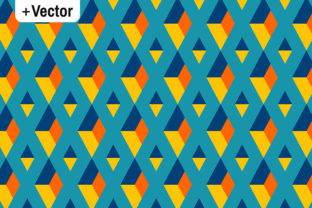
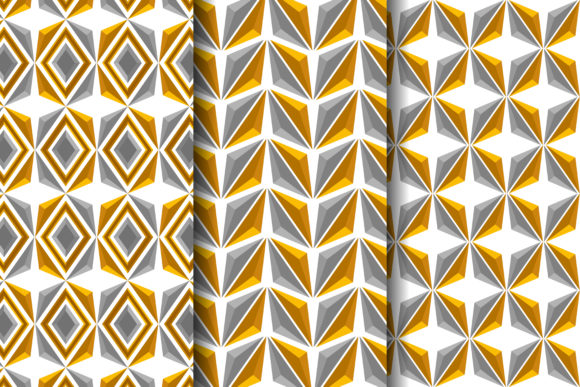
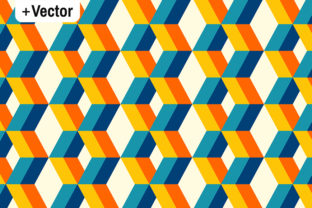
The core identity of the Retro 3D Colorful Columns Pattern lies in its structural geometry. Unlike flat, two-dimensional designs, this pattern employs shading techniques and perspective lines to simulate depth. The primary motif consists of vertical columns segmented by geometric diamonds. These diamonds often act as connectors or focal points, breaking the monotony of the vertical lines while reinforcing the sense of height and structure.
The color scheme is equally critical to the definition. "Retro" in this context usually implies a specific range of hues: mustard yellows, burnt oranges, deep teals, muted purples, and earthy browns. When these colors are applied with the 3D effect, they create a dynamic interplay of light and shadow. The result is a visual texture that appears tactile, even when viewed on a flat screen or printed on paper. The seamless nature of the pattern ensures that it can be tiled infinitely without visible breaks, a crucial feature for large-scale applications.
Primary Applications and Use Cases
The versatility of the Retro 3D Colorful Columns Pattern makes it suitable for a wide spectrum of industries. Its ability to scale from small digital graphics to large architectural surfaces allows designers to maintain consistency across different media. Below are the primary sectors where this pattern finds significant utility:
- Seamless Fabric and Textiles: The repeating nature of the design makes it ideal for fashion and home decor fabrics. When printed on cotton, polyester, or blends, the 3D effect can add volume to clothing silhouettes or create striking wall coverings.
- Wallpaper and Interior Design: For interior spaces, this pattern offers a way to introduce height and movement. It works particularly well in rooms with high ceilings, where the vertical columns emphasize the space's grandeur. The retro color palette adds warmth and character to modern minimalist interiors.
- Packaging and Stationery: In commercial packaging, the pattern stands out due to its bold geometry. It is effective for product boxes, wrapping paper, and greeting cards. On stationery, such as notebooks and planners, the design provides a professional yet creative backdrop that does not overwhelm text.
- Apparel Graphics: For T-shirts and graphic wear, the pattern serves as a statement piece. The high contrast and depth ensure visibility from a distance, appealing to consumers looking for distinctive, non-generic prints.
Technical Considerations and File Formats
When selecting a design asset, the file format determines the quality and flexibility of the output. High-quality versions of the Retro 3D Colorful Columns Pattern are typically available in EPS (Encapsulated PostScript) and JPG (Joint Photographic Experts Group) formats.
EPS files are vector-based, meaning they can be scaled to any size without losing resolution. This is the preferred format for printing on large surfaces like wallpapers or banners, as it ensures crisp edges and precise color reproduction. For manufacturers requiring custom sizing or intricate die-cutting for packaging, the vector data is indispensable.
JPG files, on the other hand, are raster images. They are easier to integrate into web workflows and standard photo editing software. While they may require higher resolution settings (typically 300 DPI or more) to avoid pixelation during printing, they are sufficient for smaller items like business cards, stickers, or digital mockups. Users must ensure the chosen JPG version has a resolution appropriate for the intended print size to maintain the integrity of the 3D effect.
Evaluating Benefits and Tradeoffs
Adopting the Retro 3D Colorful Columns Pattern involves weighing its aesthetic advantages against potential limitations. Understanding these factors helps align the design choice with project goals.
Benefits:
- Visual Depth: The 3D aspect creates a dynamic look that captures attention more effectively than flat patterns.
- Nostalgic Appeal: The retro color palette taps into current trends that favor vintage aesthetics, resonating with audiences who appreciate mid-century design.
- Scalability: As a seamless pattern, it adapts well to both micro-applications (like a logo background) and macro-applications (like room-sized murals).
- Versatility: The geometric nature allows it to fit into various themes, from industrial to playful, depending on the specific color selection.
Tradeoffs and Considerations:
- Cognitive Load: The combination of strong geometric shapes and 3D shading can be visually busy. If used as a background for text-heavy materials like books or detailed reports, it may reduce readability.
- Color Fidelity: Printing retro colors requires careful calibration. Some vintage hues may shift slightly depending on the material (e.g., fabric vs. glossy paper), which could alter the intended mood.
- Trend Dependency: While retro styles have longevity, they are subject to cyclical popularity. Projects requiring a timeless, neutral look might find this pattern too dated or overly stylized.
Situational Fit and Alternatives
Determining whether this pattern is the right choice depends heavily on the specific context of the project. The Retro 3D Colorful Columns Pattern is a strong fit for brands aiming to communicate creativity, energy, and a connection to history. It is particularly effective in youth-oriented markets, boutique retail environments, and artistic portfolios.
However, there are situations where alternatives may be worth considering. If the goal is to convey professionalism, stability, or minimalism, a solid color or a subtle, low-contrast geometric grid might be more appropriate. Similarly, if the target audience prefers organic or natural themes, the rigid structure of columns and diamonds may feel too artificial or mechanical.
For users needing a pattern that supports heavy text overlay, a simplified version of the column pattern with reduced contrast or opacity would be a better compromise. Alternatively, if the 3D effect causes issues with certain printing technologies (such as some screen printing processes), a flattened, 2D vector version of the same geometric layout would ensure better cost-efficiency and clarity.
Practical Decision-Making Insights
To decide if the Retro 3D Colorful Columns Pattern aligns with your needs, consider the following practical steps:
- Define the Medium: Identify the primary surface. For fabric, check how the 3D illusion holds up when the material drapes. For wallpaper, visualize the pattern at eye level in a room.
- Analyze the Color Palette: Ensure the retro colors complement existing brand guidelines or room decor. Test a small sample print to verify color accuracy.
- Review File Requirements: Confirm that the provided EPS or JPG files meet the resolution requirements of your printer or production workflow.
- Assess the Audience: Determine if the target demographic appreciates retro aesthetics. A younger audience or a niche design community will likely respond positively, whereas a conservative corporate client might prefer subtlety.
In conclusion, the Retro 3D Colorful Columns Pattern represents a robust option for designers and manufacturers seeking a visually engaging, versatile asset. Its unique blend of geometric precision and nostalgic coloring offers significant potential for impact in textiles, packaging, and digital media. By carefully evaluating the tradeoffs regarding visual density and color fidelity, users can leverage this pattern to achieve high-quality results that stand out in a crowded market.